PANTOGRAPH
I.A.D
INTELLIGENCE AIDED DESIGN
WORK IN PROGRESS
PHYSICALLY ACCURATE GENERATIVE 3D MODELING WITH WORLD FOUNDATION MODELS
PARAMETER-CONTROLLABLE AI-DRIVEN DESIGN WORKFLOWS FOR CAD USERS
SCALABLE GENERATIVE POWER WITHIN AND BEYOND EXISTING WORKFLOWS
A PANTOGRAPH COPIES A DRAWING AND SCALES IT. THIS PROJECT ASKS: CAN AN AGENT COPY DESIGN INTENT — AND SCALE IT INTO GEOMETRY?
Pantograph is a study of agentic modeling inside CAD. A designer describes what they want in plain language; an AI agent plans the steps, writes real rhinoscriptsyntax, executes it in the live Rhino document, and checks its own result by looking at the viewport. Not a render, not a mesh import — native, editable CAD geometry, in the designer's file, on the designer's machine.
FILES STAY LOCAL. THE AGENT WORKS OVER A LOOPBACK BRIDGE — NOTHING IS UPLOADED. THE WORKSPACE WILL BE OPEN-SOURCED.
WORKSPACE
CONVERSATION + CANVAS
AI AGENT
PLANS THE DEFINITION
DEFINITION GRAPH
THE FIRST-CLASS OBJECT
COMPILER
GRAPH → RHINOSCRIPT
RHINO 8
LIVE DOCUMENT
→ graph_add_node { "id": "twist", "op": "MathMap", "clause": "3.2° more per level" }
← ok (definition v6)
graph_add_node(id, op, params, provenance)
Adds one typed node to the definition. Provenance is required: the prompt clause this node answers, and why it exists.
graph_connect(from, to, semantics)
Wires an output port into an input port, with a note on what the dependency means. Validation errors come straight back for repair.
graph_execute()
Compiles the definition to rhinoscriptsyntax, performs it in the live document, and returns a viewport capture the agent inspects.
01
DESCRIBE
Design intent stated in plain language — “a lofted skin over 50 floors that twist and taper.” No scripting, no node graph to hand-build.
02
AUTHOR
The agent authors a definition graph through narrow, validated mutations — never baked geometry. The graph is the deliverable.
03
VERIFY + HAND BACK
It performs the definition, inspects the capture, repairs — then the designer keeps editing the same graph: drag, rewire, retune.
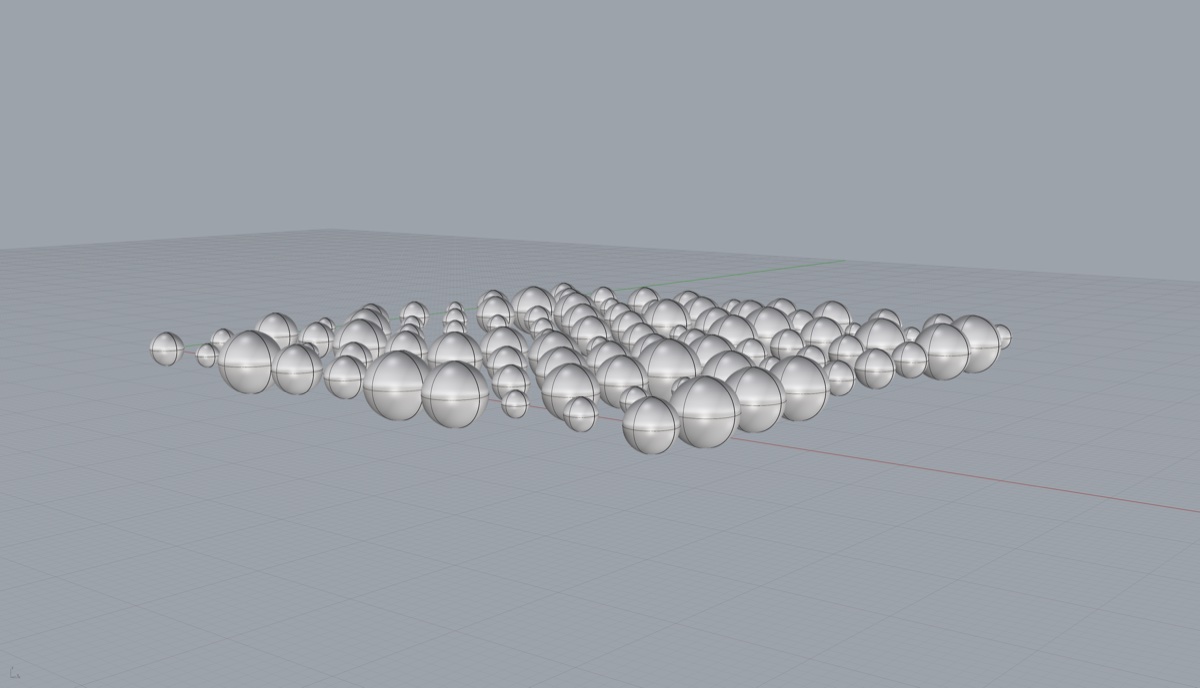 (A): SPHERE GRID
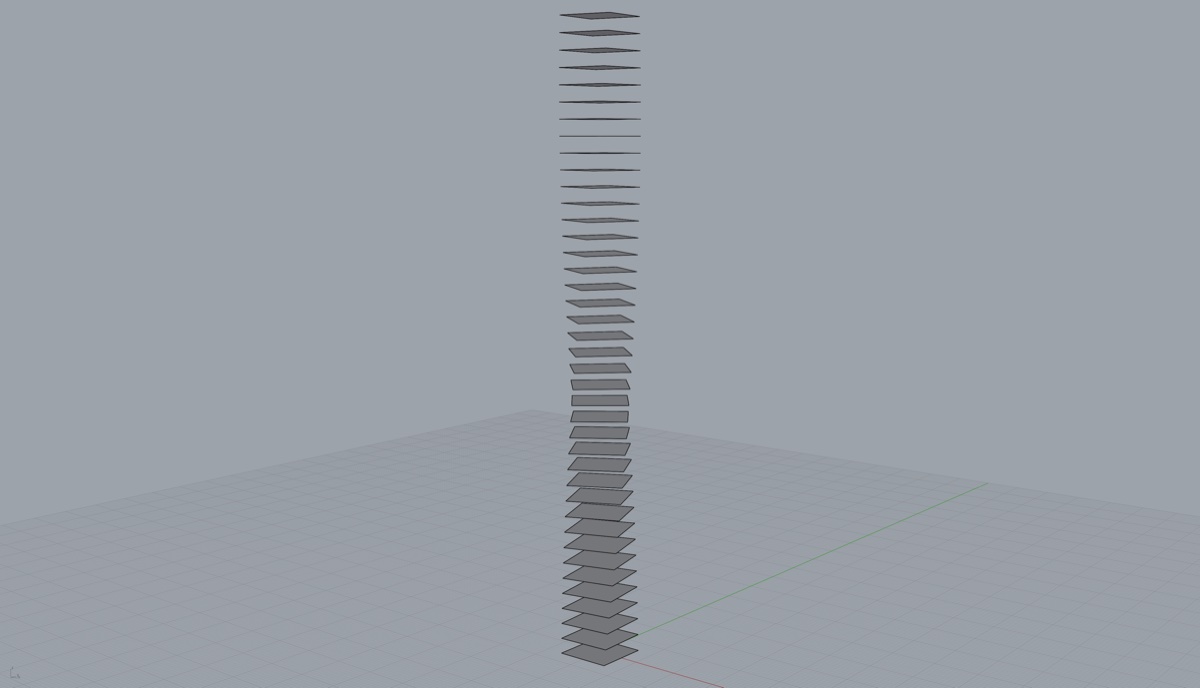 (B): TWISTING TOWER
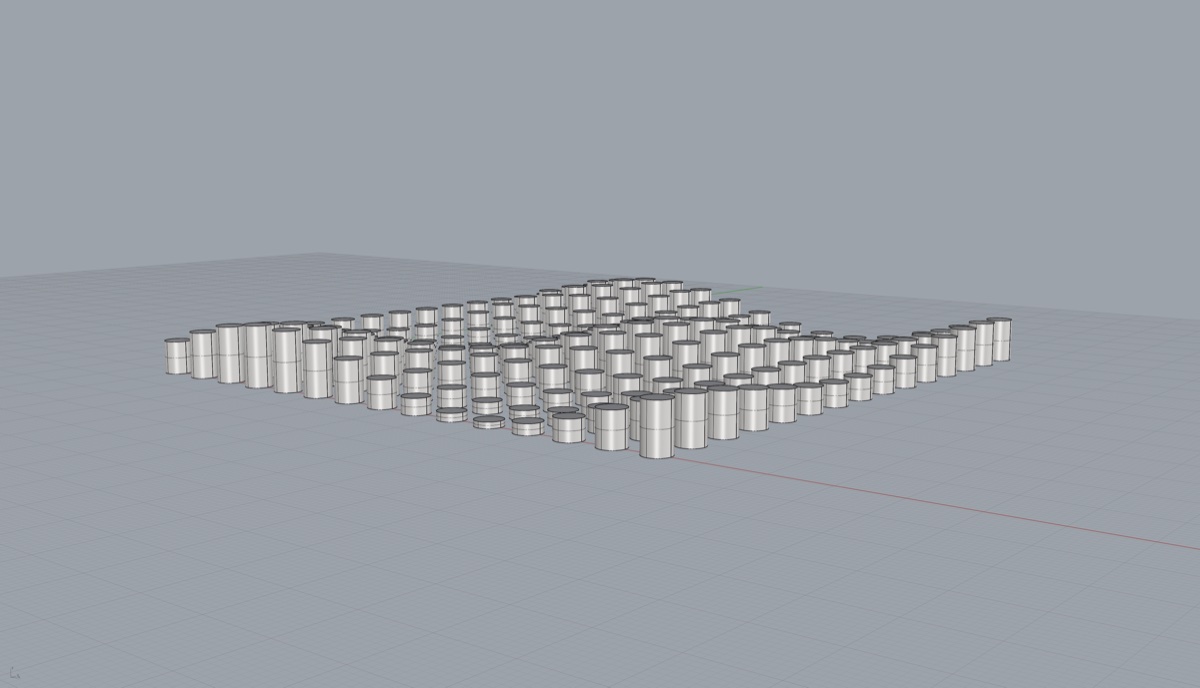 (C): SINE FIELD
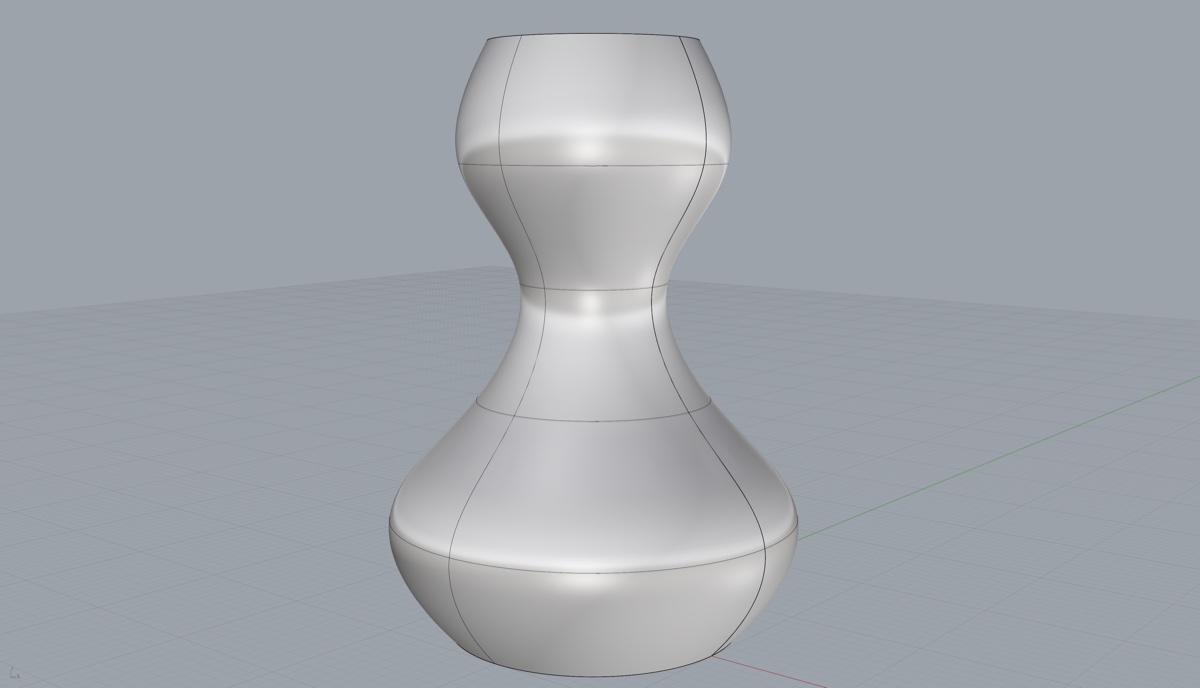 (D): LOFTED VASE
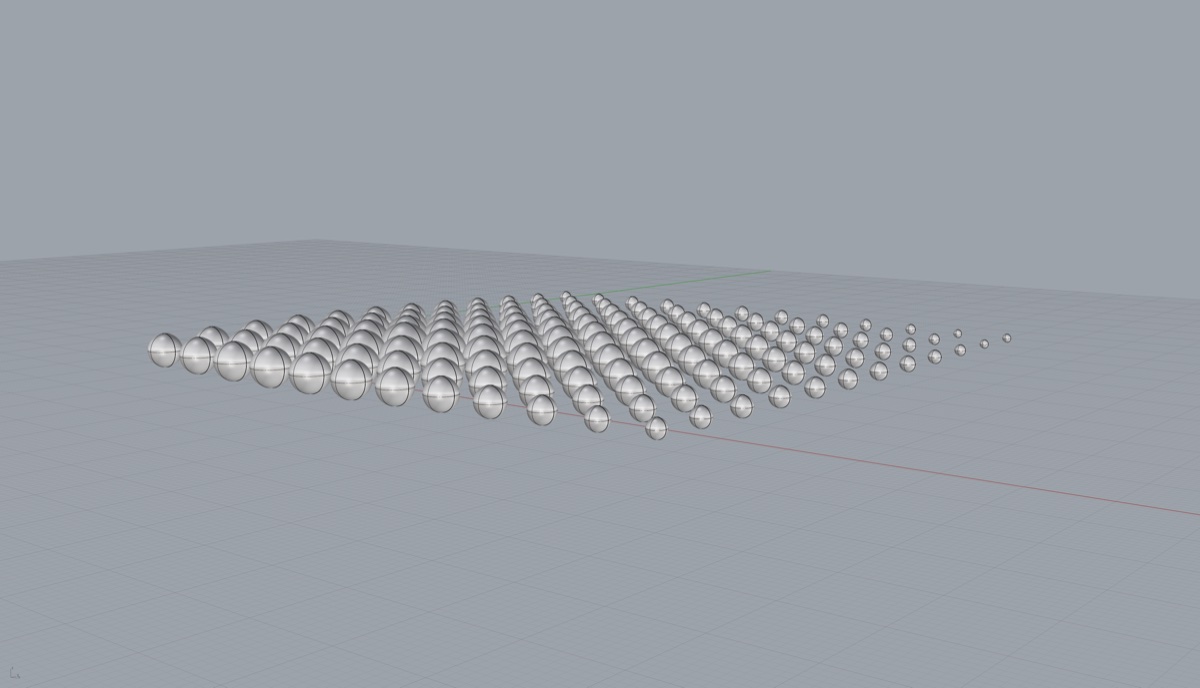 (E): ATTRACTOR GRID
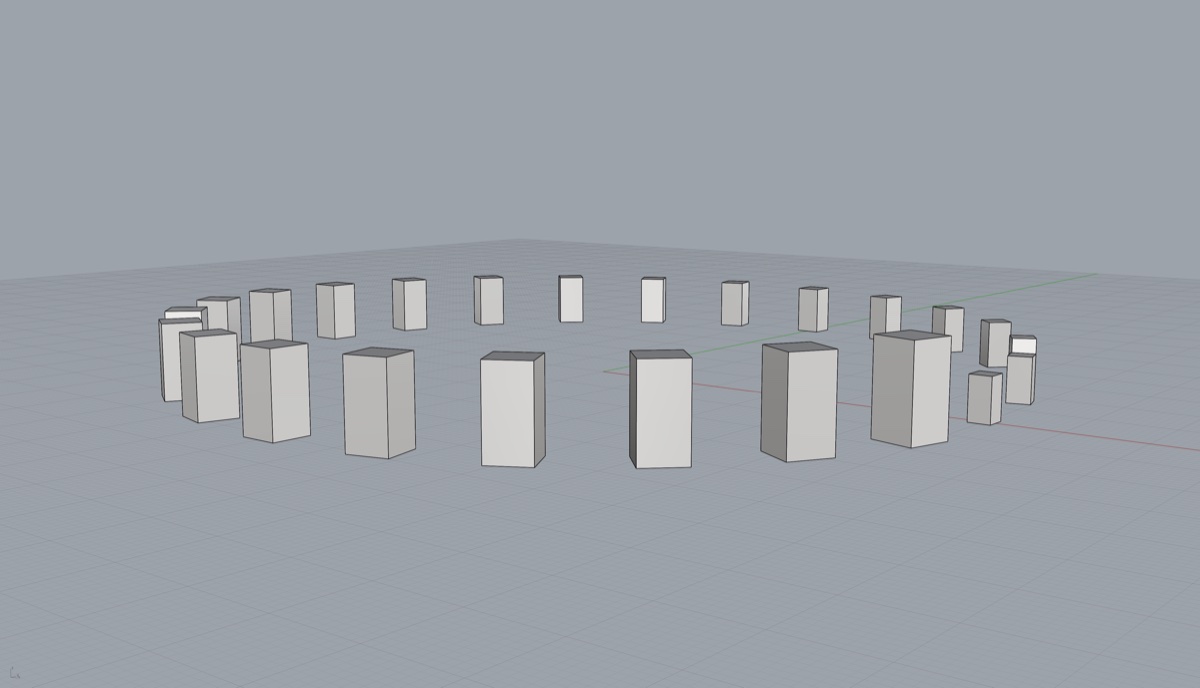 (F): RADIAL ARRAY
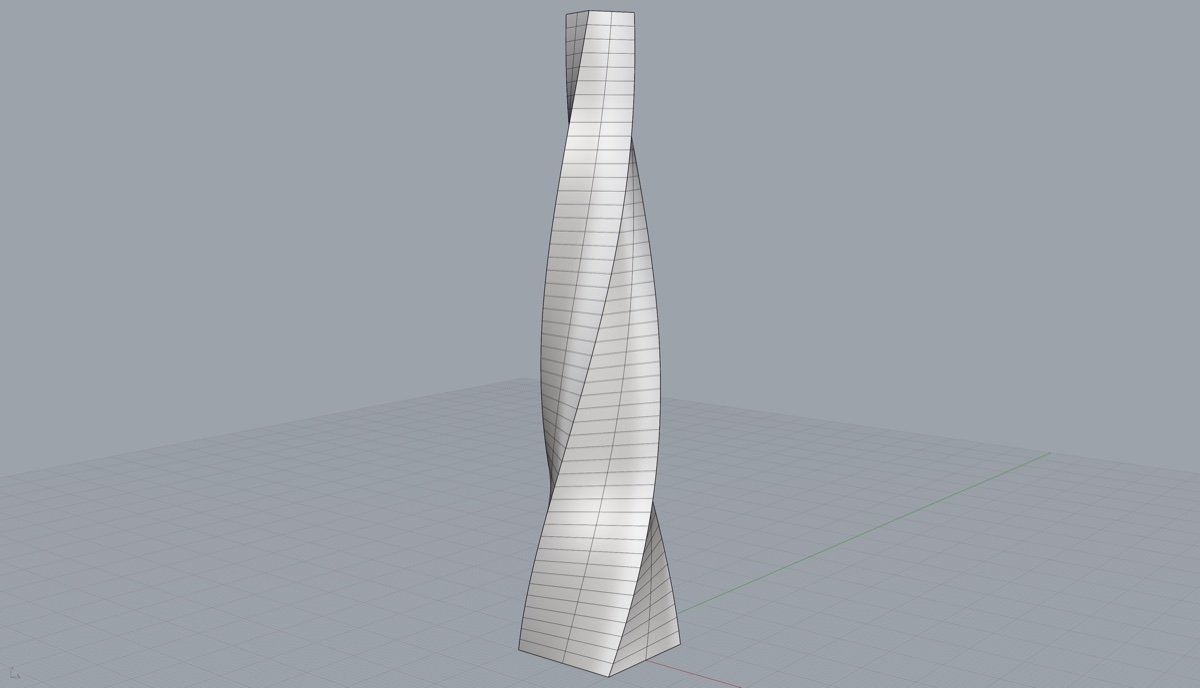 (G): TAPERED TWIST SKIN
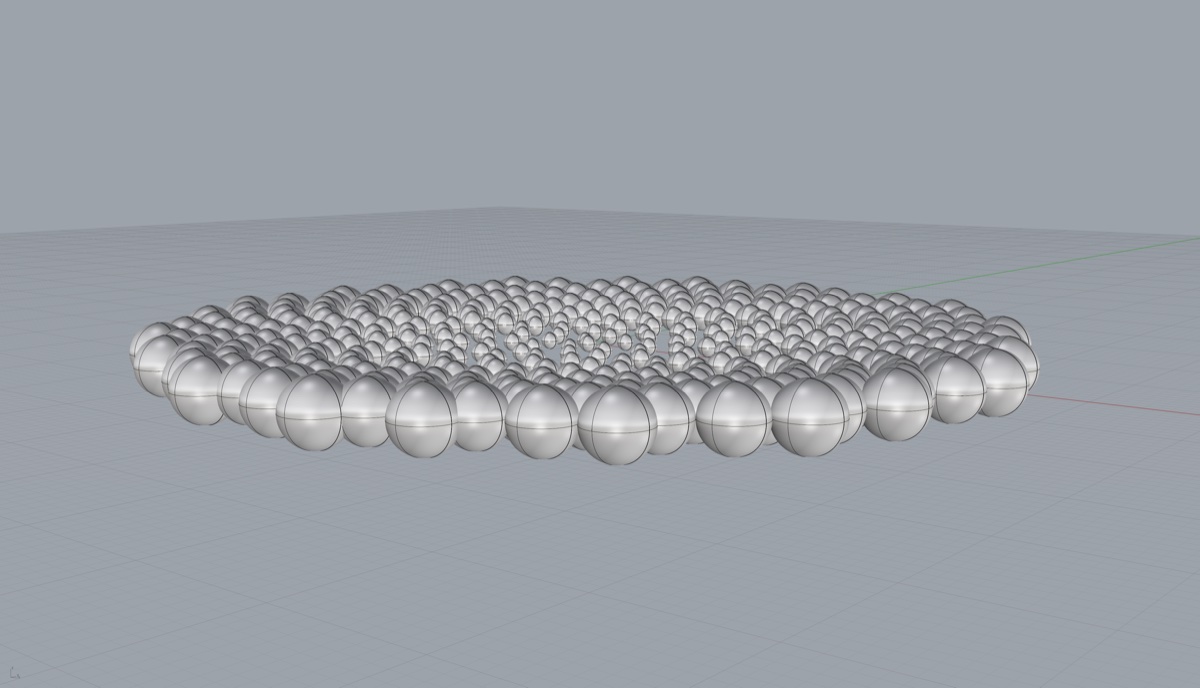 (H): PHYLLOTAXIS FIELD
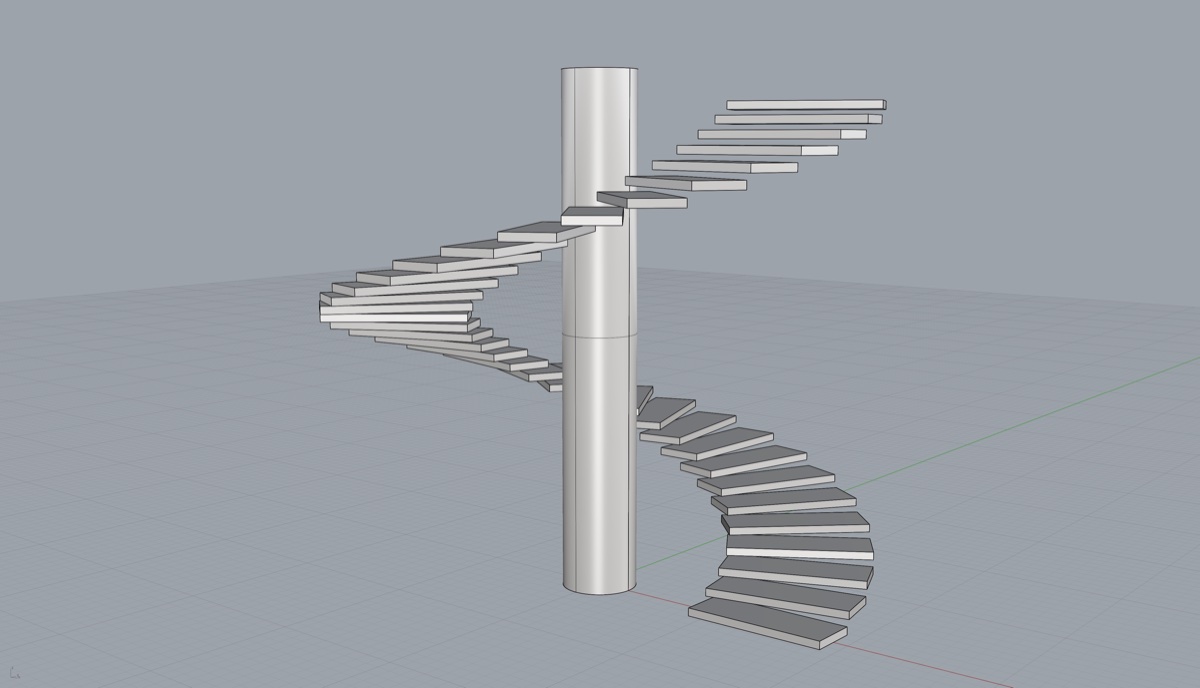 (I): HELIX STAIR
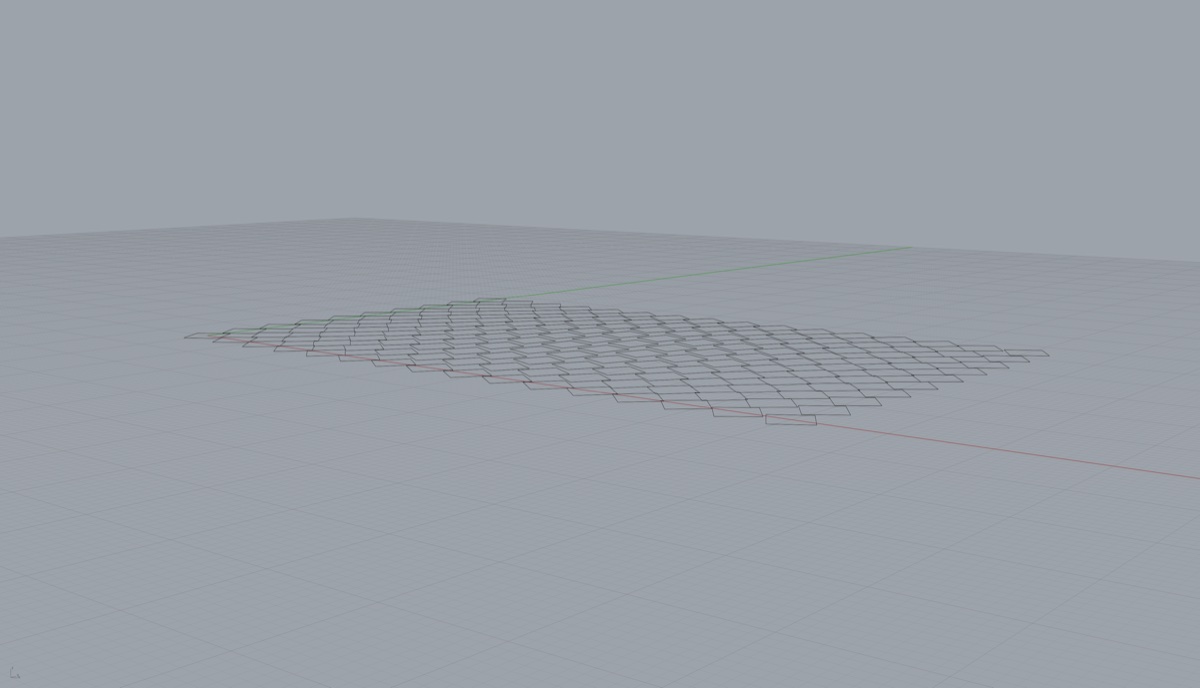 (J): ATTRACTOR FACADE
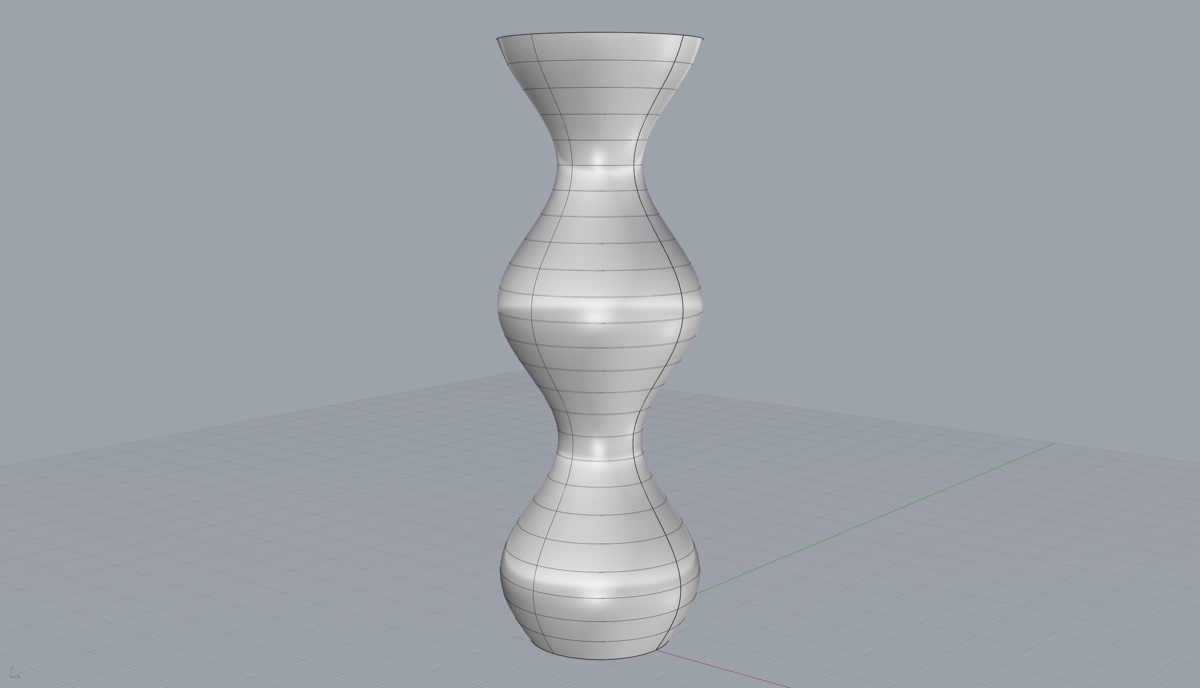 (K): WAVE LOFT TOWER
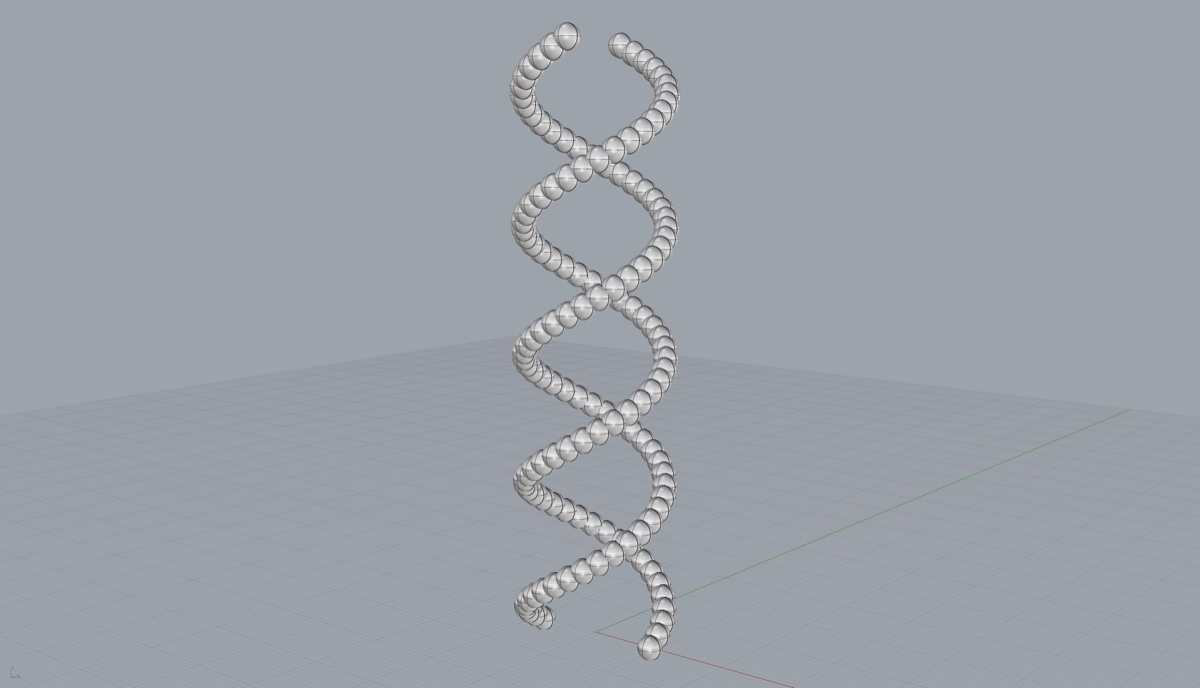 (L): DOUBLE HELIX
THE EDITABLE RETURN
PANTOGRAPH AND THE CASE FOR AN ORCHESTRATIVE DESIGN MACHINE
Why an AI design system should return a definition rather than an object — the argument read through cybernetics, notation theory, media theory, and the documented brittleness of parametric models, with this prototype as the evidence that the position can be built.